
A Cyclospora outbreak is a foodborne illness caused by the microscopic parasite Cyclospora cayetanensis. People become infected after eating food or drinking water contaminated with the parasite, most commonly fresh produce such as leafy greens, herbs, berries, and other raw vegetables.
The infection, known as cyclosporiasis, often causes prolonged watery diarrhea along with stomach cramps, nausea, fatigue, and weight loss. Without treatment, symptoms can last for weeks and may return after briefly improving.

Cyclospora outbreaks are reported in the United States almost every year, particularly during the spring and summer when fresh produce consumption is higher. Public health officials investigate these outbreaks to identify contaminated foods, trace their source, and help prevent additional illnesses.
This guide explains what Cyclospora is, how it spreads, its symptoms, common food sources, treatment options, prevention tips, and why cases are often reported across multiple states.
What Is Cyclospora?
Cyclospora (Cyclospora cayetanensis) is a single-celled parasite that infects the small intestine and causes an illness called cyclosporiasis.
Unlike many foodborne bacteria, Cyclospora cannot multiply in food. After leaving an infected person's body, the parasite needs time in the environment before it becomes capable of infecting someone else. For that reason, direct person-to-person transmission is uncommon. Most infections occur after eating contaminated food or drinking contaminated water.

What Is a Cyclospora Outbreak?
A Cyclospora outbreak occurs when multiple people develop cyclosporiasis after being exposed to the same contaminated food or beverage.
During an outbreak investigation, public health agencies typically:
• Interview infected individuals about what they recently ate
• Look for common foods or restaurants among reported cases
• Conduct laboratory testing when food samples are available
• Compare genetic and epidemiological data to identify related cases
• Issue public health advisories or food recalls when a likely source is identified
Not every Cyclospora infection is linked to a recognized outbreak. Some cases occur individually and may never be traced to a specific food source.
What Causes Cyclospora?
Cyclospora infection occurs when a person swallows infectious Cyclospora cayetanensis parasites through contaminated food or water.
Foods most commonly associated with previous outbreaks include:
• Leafy greens
• Salad mixes
• Cilantro
• Basil
• Parsley
• Berries
• Fresh vegetables eaten raw
Contamination can happen during growing, harvesting, processing, packaging, or food preparation if proper sanitation practices are not followed.
What Food Is Cyclospora Found In?
Cyclospora has most often been linked to fresh produce because these foods are frequently consumed without cooking.
Foods associated with past outbreaks include:
• Packaged salads
• Lettuce
• Spinach
• Cilantro
• Basil
• Parsley
• Raspberries
• Snow peas
• Mixed vegetables
• Imported produce
Cooking generally destroys the parasite, but many of these foods are typically eaten raw, making prevention more challenging.

Cyclospora Symptoms
Symptoms usually appear 2 to 14 days after exposure.
The most common Cyclospora parasite symptoms include:
• Frequent watery diarrhea
• Explosive diarrhea in some people
• Stomach cramps
• Bloating
• Gas
• Nausea
• Loss of appetite
• Fatigue
• Low-grade fever
• Weight loss
• Occasional vomiting
One of the defining features of cyclosporiasis is that symptoms may improve and then return if the infection is not treated.
Who Is Most at Risk?
Anyone can develop cyclosporiasis, but some people are more likely to experience severe illness or complications, including:
• Older adults
• Young children
• People with weakened immune systems
• Individuals who become dehydrated because of prolonged diarrhea
What Parasite Causes Explosive Diarrhea?
Several parasites can cause severe diarrhea, but Cyclospora cayetanensis is one of the better-known causes of prolonged watery diarrhea linked to contaminated fresh produce.
Although not every infected person develops explosive diarrhea, persistent watery diarrhea is the hallmark symptom of Cyclospora infection.
How Cyclospora Is Diagnosed
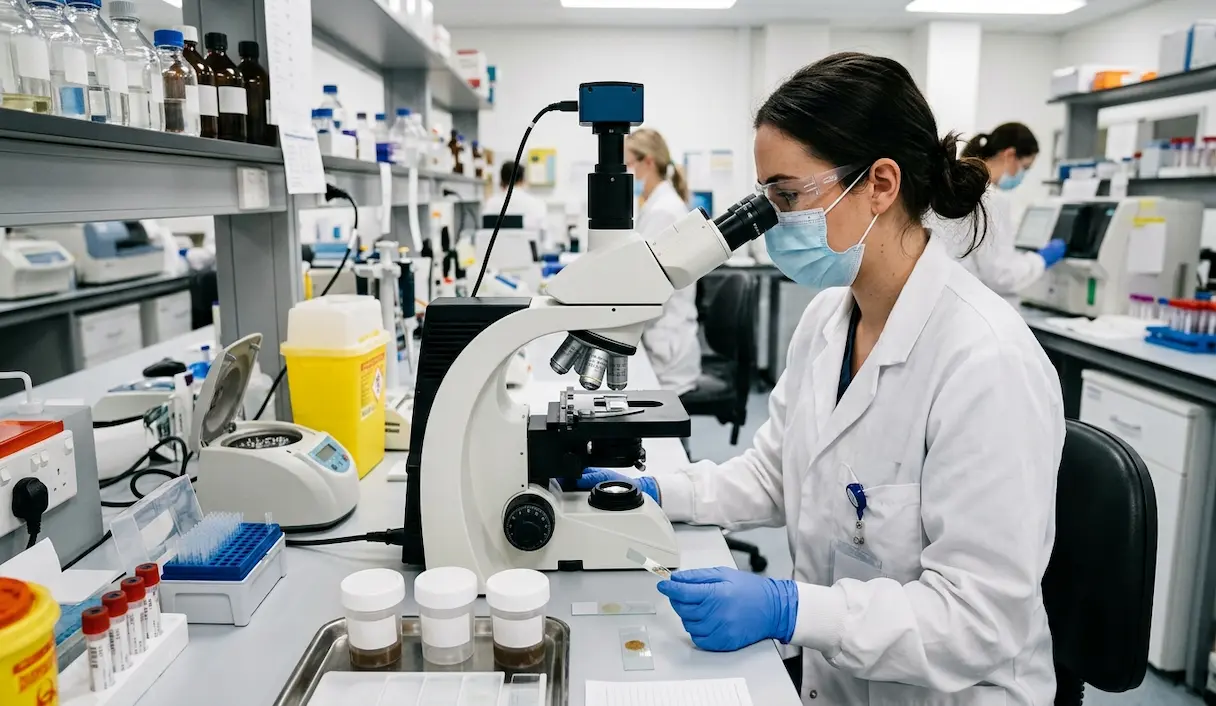
Diagnosing Cyclospora can be more challenging than diagnosing some other intestinal infections because routine stool tests may not detect the parasite.
Healthcare providers may recommend:
1. Specialized stool testing for Cyclospora
2. Molecular (PCR) testing
3. Additional stool samples if the first test is negative but symptoms continue
Early diagnosis helps ensure appropriate treatment and may assist public health officials during outbreak investigations.
Cyclospora Treatment
Cyclospora is typically treated with a prescription antibiotic recommended by a healthcare provider.
Supportive care is also important and may include:
• Drinking plenty of fluids
• Replacing lost electrolytes
• Getting adequate rest
• Monitoring for signs of dehydration
Avoid taking over-the-counter anti-diarrheal medications without medical advice, as they may not be appropriate for every situation.

What States Have Cases of Cyclosporiasis?
Cyclospora infections have been reported in many U.S. states.
During a foodborne outbreak, illnesses may appear across several states because contaminated produce is often distributed through nationwide supply chains. The number of affected states and reported cases varies with each outbreak as investigators gather more information.
Health agencies continue updating case counts and affected locations throughout an investigation as new laboratory-confirmed cases are identified.
How Cyclospora Spreads
Cyclospora spreads primarily through contaminated food and water.
Unlike illnesses such as norovirus, Cyclospora is not usually spread directly from one person to another because the parasite must mature in the environment before it becomes infectious.
Common routes of exposure include:
• Eating contaminated fresh produce
• Drinking contaminated water
• Consuming food handled under poor sanitary conditions
How to Help Prevent Cyclospora Infection
Although no prevention method is completely effective, these practices can reduce your risk:
• Wash your hands thoroughly before preparing or eating food.
• Rinse fresh fruits and vegetables under clean running water.
• Drink water from safe, reliable sources.
• Refrigerate perishable foods promptly.
• Follow food recalls and public health advisories.
• Avoid eating recalled products.
Keep in mind that washing produce may reduce contamination but may not completely remove Cyclospora from contaminated foods.
When Should You See a Doctor?
Contact a healthcare provider if you develop:
• Diarrhea lasting more than a few days
• Signs of dehydration, such as dizziness or reduced urination
• Severe abdominal pain
• Persistent vomiting
• Bloody stools
• A high fever
• Symptoms after eating recalled food or following international travel
Prompt medical evaluation can help confirm the diagnosis, begin appropriate treatment, and reduce the risk of complications.
What food is Cyclospora commonly found in?
Past outbreaks have been linked to leafy greens, salad mixes, cilantro, basil, parsley, berries, and other fresh produce that is often eaten raw.
What are the symptoms of Cyclospora?
Typical symptoms include watery diarrhea, stomach cramps, bloating, nausea, fatigue, loss of appetite, and weight loss. Without treatment, symptoms may last for several weeks.
Can Cyclospora spread from person to person?
Direct transmission between people is uncommon because the parasite requires time outside the human body before it becomes infectious.
Is Cyclospora treatable?
Yes. Most people recover with appropriate prescription treatment and supportive care, including adequate hydration.

Conclusion
Cyclospora is a foodborne parasite that can cause weeks of uncomfortable digestive symptoms if left untreated. Most infections are linked to contaminated fresh produce, and outbreaks may affect multiple states because food is distributed through broad supply chains.
Understanding how Cyclospora spreads, recognizing the early symptoms, practicing safe food handling, and seeking medical care when symptoms persist are the best ways to reduce your risk. Staying informed about public health advisories and food recalls can also help protect you and your family during a Cyclospora outbreak.